How to choose
Choosing a hair dryer or straightener: the plug, the watts, the dial
Three things decide a styling tool: the immersion protection block on the plug, the wattage on the plate, and whether the heat dial reads in numbers.
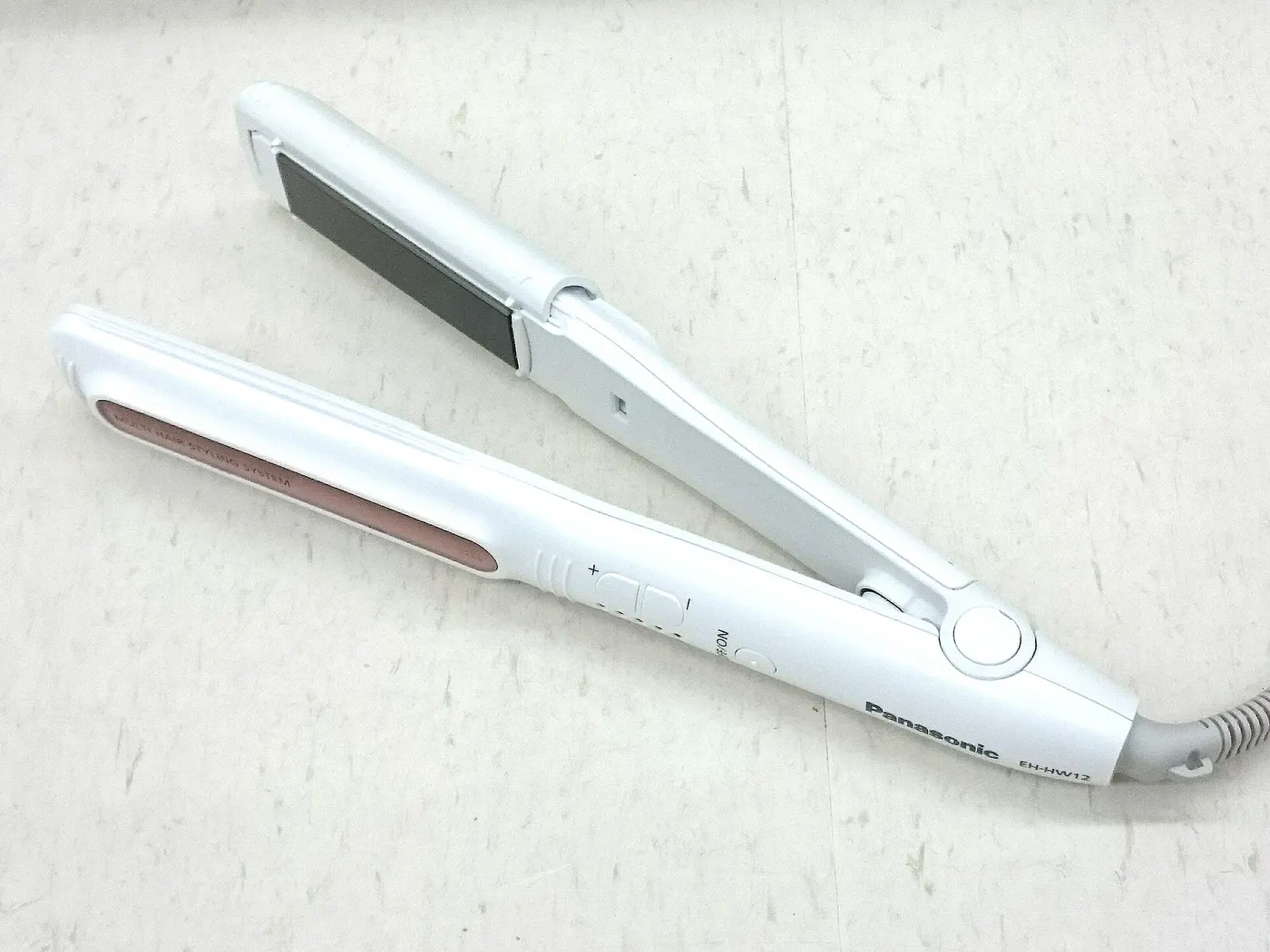
Styling tools are sold on adjectives — ionic, ceramic, tourmaline, infrared — and bought on three verifiable things: a safety device you can see on the cord, a wattage printed on the body, and whether the heat control is a numbered dial or three unlabelled dots. None of those three appear in the advertising copy, and all of them are on the product itself.
This guide works through them in the order that eliminates candidates fastest. Prices here are labelled examples rather than offers, because this site carries no price feed, and no tool described here has been tested or supplied to us.
The block on the cord is a federal requirement, not a feature
The Consumer Product Safety Commission has determined that hand-supported hair dryers without integral immersion protection are a substantial product hazard. The requirement sits in 16 CFR 1120.3(b)(1), which references section 5 of UL 859 and section 6 of UL 1727, and it applies to dryers sold for professional use as well as to domestic ones.
The protection takes a form you can recognise across the shop floor: CPSC describes it as a block-shaped plug incorporating a type of circuit interrupter. Its job is to reduce the risk of electric shock if the dryer is immersed in, or otherwise contacts, water. A dryer whose cord ends in an ordinary slim two-pin plug has not got one.
This is not theoretical. In a recall announced on 2024-07-03, about 39,600 hair dryers sold at about $170 were recalled because the dryers lacked an immersion protection device, which CPSC described as an electrocution or shock hazard if they fall into water while plugged in. Look at the cord before you look at anything else.
- Find the plug end of the cord and look for a rectangular block with reset and test buttons
- Confirm the block is part of the cord rather than an adaptor someone has added
- Check the body for a model number you can look up against the CPSC recall list
- Read the rated wattage and voltage printed on the barrel or the handle
- Confirm the heat control is a labelled position rather than an unmarked slider
Wattage is an airflow argument, and there is no efficiency label to settle it
Hair dryers are usually sold between 1,200 W and 2,000 W, and the number is doing two jobs at once: heating the air and driving the motor that moves it. Two dryers with identical wattage can dry at very different speeds, because a dryer that moves more air at a lower temperature finishes sooner than one that heats a slow stream harder.
There is no official efficiency comparison to lean on. ENERGY STAR's appliance categories are air cleaners, clothes dryers, clothes washers, dehumidifiers, dishwashers, electric cooking products, freezers and refrigerators, and its electronics categories are digital media players, telephones and televisions. No category covers hair dryers, straighteners or any personal grooming appliance, so there is no certified figure for either side of the claim.
What the wattage does tell you reliably is the running cost, because that is pure arithmetic. A 1,800 W dryer run for 8 minutes uses 0.24 kWh. At 18 cents per kilowatthour, rounded from the 18.16 cents residential average the EIA published for August 2026, that is about 4.3 cents each time you dry.
| Rated power | 6 minutes | 8 minutes | 12 minutes |
|---|---|---|---|
| 1,200 W | $0.022 | $0.029 | $0.043 |
| 1,800 W | $0.032 | $0.043 | $0.065 |
| 2,000 W | $0.036 | $0.048 | $0.072 |
Each cell is watts multiplied by minutes, divided by 60,000, multiplied by $0.18. Rated power is a maximum, so a dryer used on a low heat setting will read lower on a plug-in meter.
A numbered dial is worth more than any coating claim
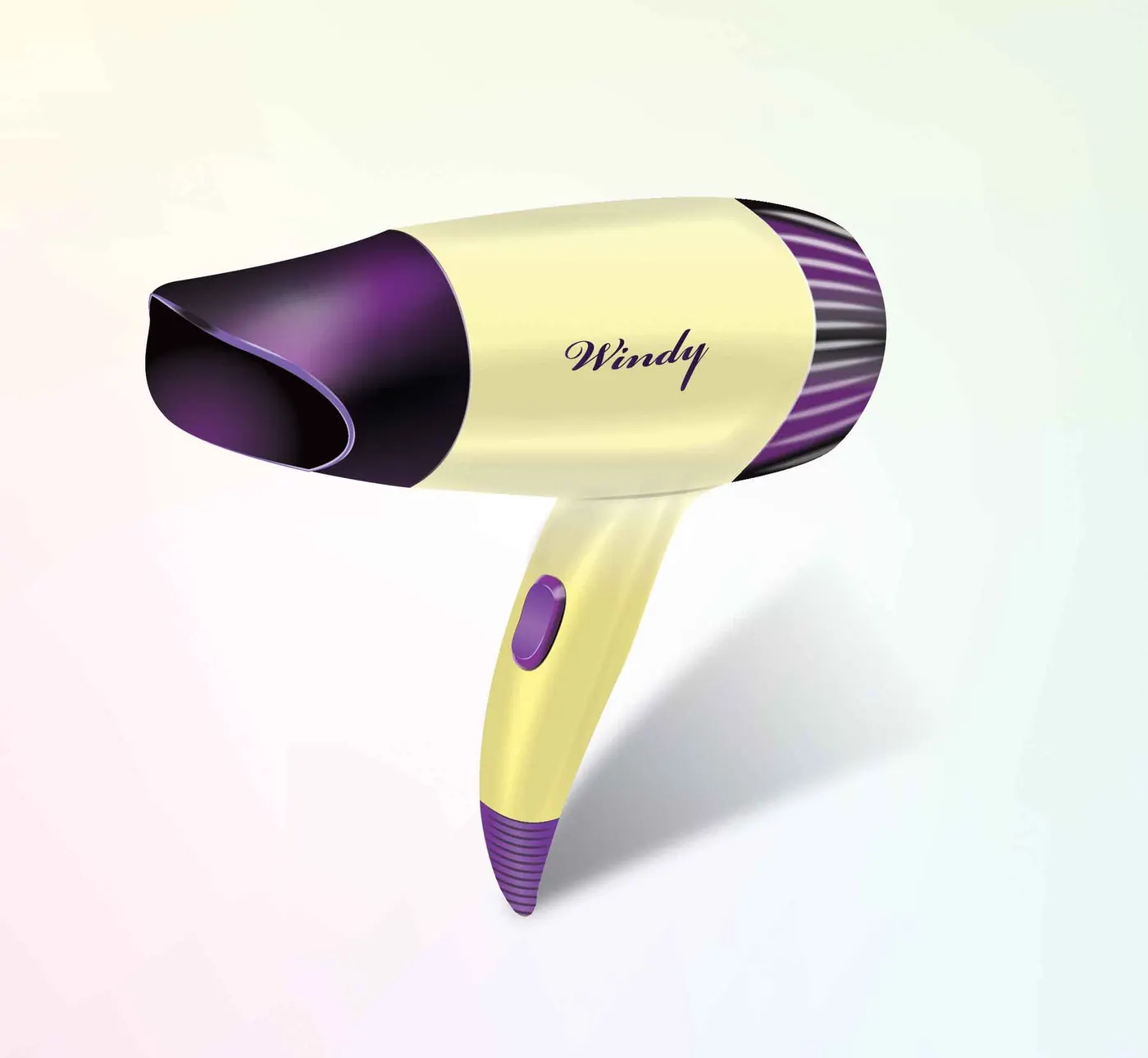
On a straightener the single most useful feature is a temperature readout in numbers. Three unlabelled dots give you no way to repeat a setting, no way to describe a problem, and no way to apply the one piece of advice that actually reduces damage, which is to use the lowest plate temperature that still does the job.
Numbers also make the tool comparable across sessions and across hair conditions. A setting that works on dry hair in January is often too high on the same hair after a colour treatment, and only a number lets you step down and record the result. Plate coating claims cannot be checked at the counter; a printed number can.
The second thing to look for on a straightener is automatic shut-off with a stated interval, because it is the only feature on either tool that protects you when you are not in the room. A stated interval is checkable; a claim that the tool is safe is not.
| Claim on the box | Can you verify it there? | What to look at instead |
|---|---|---|
| Immersion protection | Yes | The block on the cord with reset and test buttons |
| Rated power | Yes | The plate printed on the body |
| Automatic shut-off | Yes, if an interval is printed | The stated number of minutes |
| Temperature control | Yes | A numbered dial or display rather than dots |
| Ionic or tourmaline benefit | No | Nothing on the box settles it |
| Energy efficiency rating | No | No ENERGY STAR category covers these tools |
Weight, cord length and the things you find out in week two
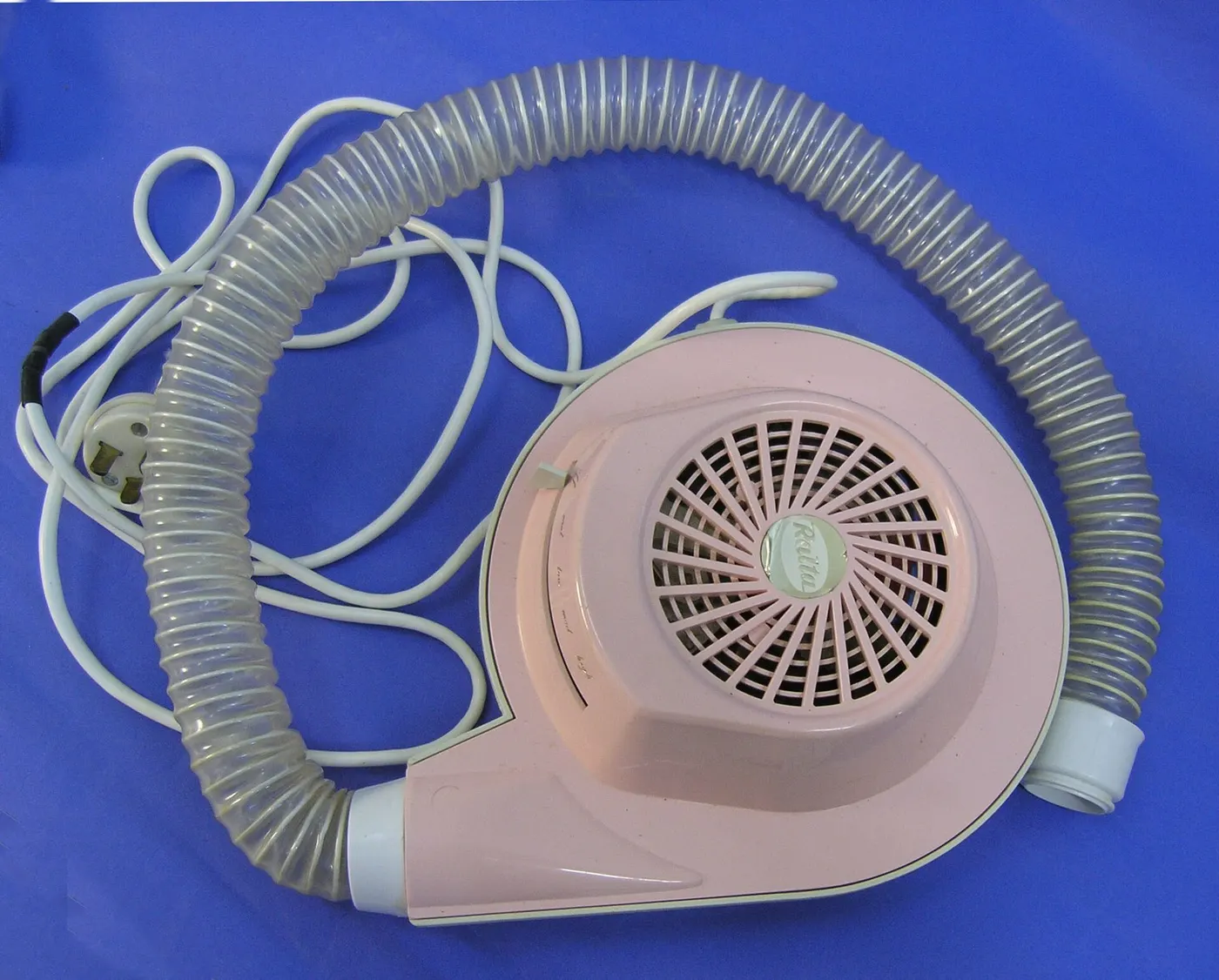
A dryer is held at shoulder height for several minutes at a time, so weight and balance decide whether a tool gets used. A heavy dryer with the motor in the barrel tires the arm faster than a lighter one with the same wattage, and no specification sheet records that. Pick the tool up in the shop and hold it above your head for 30 seconds.
Cord length decides where the tool can be used at all. Cords on these tools are commonly 6 to 9 feet, and the difference between those two figures is whether you can reach the mirror from the only outlet in the room. Measure from your outlet to where you stand before deciding.
Attachments are the last filter. A concentrator nozzle that clips rather than threads will work loose, and a diffuser that does not come in the box is rarely available later for a given model. Check what ships with the dryer and whether replacement attachments are listed on the manufacturer's own support pages.
Before you buy
- Look at the plug end and confirm a block-shaped immersion protection device with reset and test buttons
- Read the rated wattage and voltage from the plate on the body rather than from the packaging
- Confirm the heat control shows numbers or named positions rather than unlabelled dots
- Check whether automatic shut-off is stated with an interval in minutes
- Hold the tool above your head for 30 seconds in the shop to judge weight and balance
- Measure the distance from your outlet to the mirror and compare it with the cord length
- Look up the model on the CPSC recall list before buying
Questions readers ask
- Is the block on the cord the same as a plug adaptor?
- No. CPSC describes the required protection as integral, built into a block-shaped plug that incorporates a type of circuit interrupter, and the requirement sits in 16 CFR 1120.3(b)(1). An adaptor added afterwards is not integral protection, and a dryer that arrived without the block is the exact defect behind the 2024 recall of about 39,600 units.
- Does a professional-grade dryer skip the immersion protection rule?
- It does not. The CPSC requirement references UL 1727, the standard for commercial electric personal grooming appliances, alongside UL 859. A dryer marketed for salon use is covered by the same substantial product hazard determination as a domestic one.
- Is a 2,000 W dryer better than a 1,500 W one?
- It is more expensive to run and not necessarily faster. At 18 cents per kWh a 2,000 W dryer costs about 4.8 cents for an 8-minute session against about 3.6 cents for a 1,500 W one. Drying time depends on how much air the motor moves as well as how hot it is, and no certified efficiency figure exists because ENERGY STAR has no category for these tools.
- Are ionic and ceramic claims worth paying for?
- There is nothing on the box or in any public certification scheme that lets you verify them at the counter. The three things you can verify are the immersion protection block, the rated wattage on the plate and whether the heat control is numbered. Spend the budget on those and treat the coating language as marketing.
- How long a cord do I actually need?
- Measure from your outlet to the spot where you stand at the mirror and add 2 feet for movement. Cords on these tools commonly run 6 to 9 feet, and the gap between those two decides whether the tool reaches at all. A dryer used on an extension lead in a bathroom is a worse arrangement than a longer cord.
Sources
- U.S. Consumer Product Safety Commission — Hand-Supported Hair Dryers business guidance: integral immersion protection, 16 CFR 1120.3(b)(1), UL 859 and UL 1727 — checked 2026-11-03
- U.S. Consumer Product Safety Commission — Focusee recalls Tideway hair dryers due to electrocution or shock hazard, 3 July 2024 — checked 2026-11-03
- ENERGY STAR — Products: the full list of certified appliance and electronics categories, which contains no personal grooming appliance — checked 2026-11-03
- U.S. Energy Information Administration — Electric Power Monthly, average price of electricity to ultimate customers by sector — checked 2026-11-03
Some links on this site can earn us a commission. That does not change which product a guide recommends, and it adds nothing to your price. Advertising is not enabled on this site yet. When it is, ads will be labelled and kept visually separate from the guides.